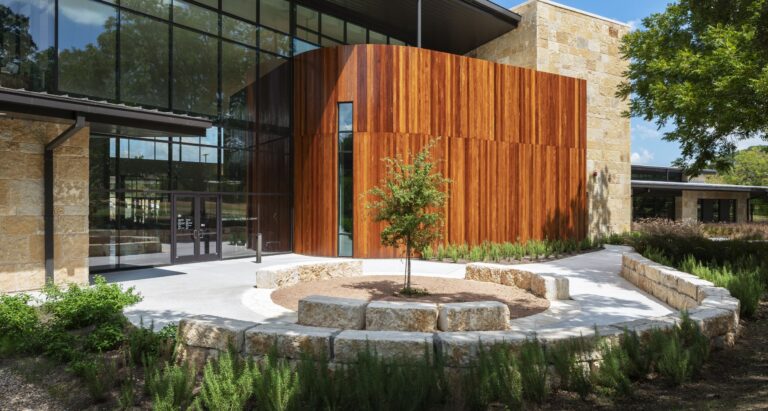
City representatives were in search of a vibrant and sustainable design for some vacant garden beds outside of Buda City Hall. This design was created using native (and adapted) perennial plants that thrive in this region, while requiring minimal water. It features a diverse array of plant species, that will enhance the aesthetic appeal of this space and support local wildlife. This eco-friendly approach minimizes water usage and maintenance, promoting biodiversity and resilience against drought conditions. By prioritizing native plants, this project embodies a commitment to environmental stewardship and showcases the beauty of Buda’s natural heritage. Keep reading to learn more about the plants I chose for this design and WHY I chose them…
plant
information
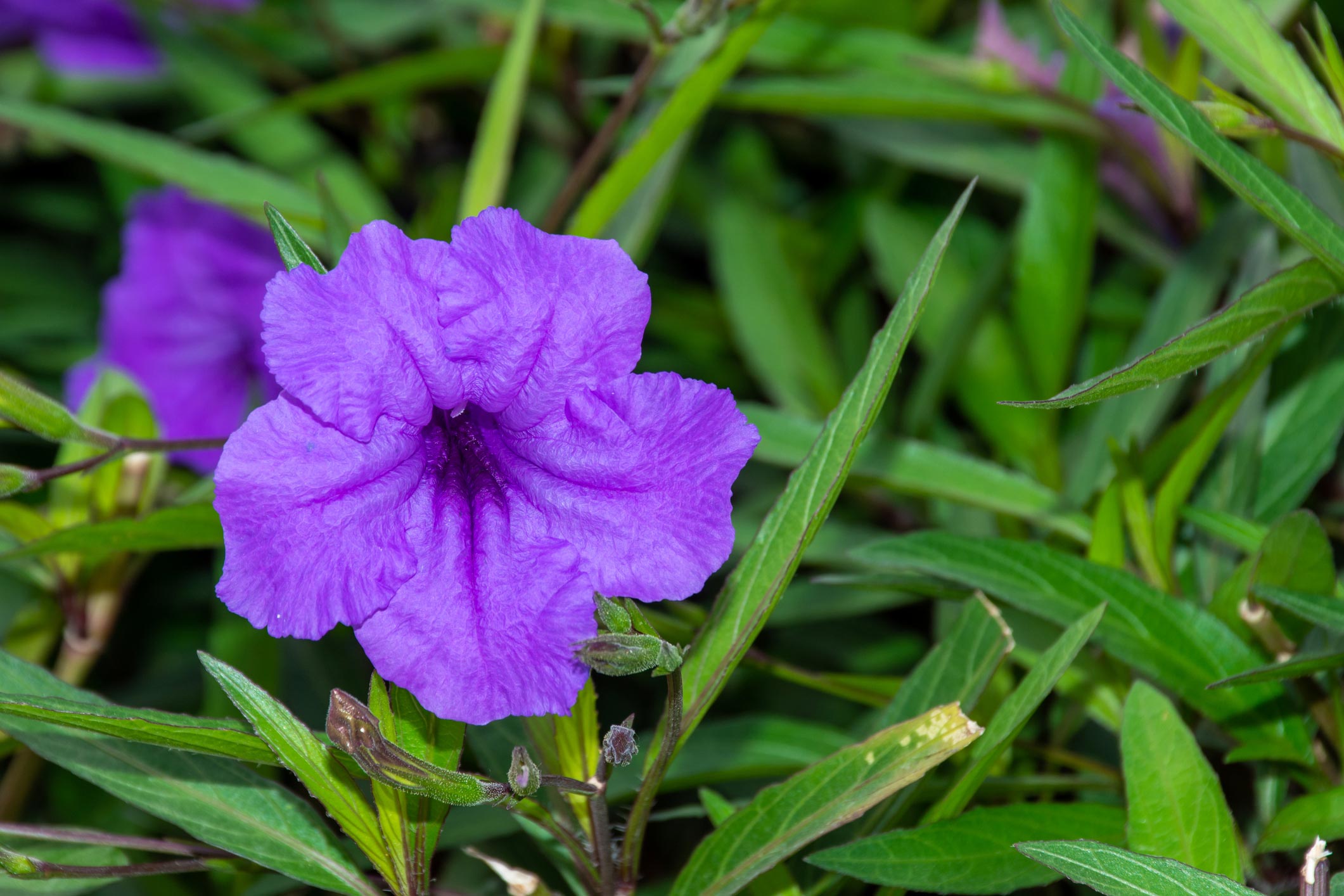
Dwarf 'Katie' Ruellia
DWARF ‘KATIE’ RUELLIA: Known for its vibrant, Petunia-like purple flowers and ability to thrive in a variety of environments, Dwarf ‘Katie’ Ruellia is a welcome sight in the garden. Dwarf ‘Katie’ reseeds profusely and is a compact, low-growing perennial. It typically reaches a height of about 6 to 10 inches, making it an ideal choice for ground cover, borders, or containers. This plant is drought-tolerant once established and can bloom continuously from spring through summer, attracting butterflies. Dwarf ‘Katie’ Ruellia is also relatively low-maintenance, thriving in well-drained soil and requiring minimal watering,
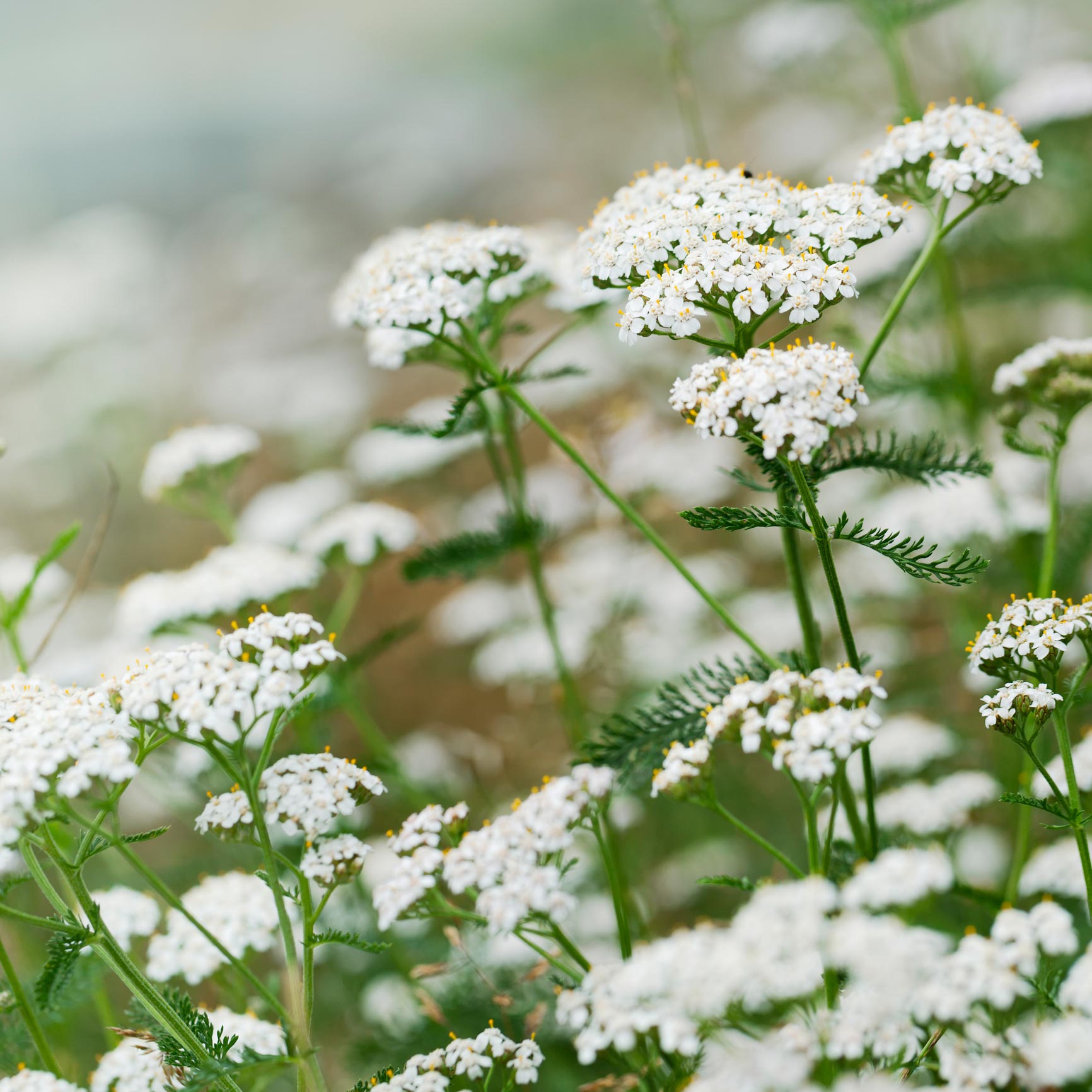
Yarrow
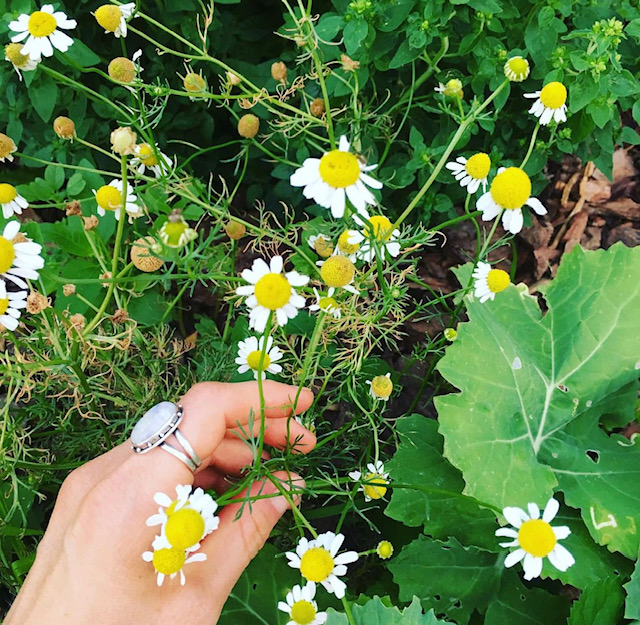
YARROW: Yarrow is a hardy, herbaceous perennial plant known for its feathery, fern-like leaves and clusters of small, flat-topped flowers. Native to multiple regions in the Northern Hemisphere, Yarrow is drought-tolerant and thrives in a variety of soils, particularly well-drained ones. It blooms from late spring through summer and is a favorite in pollinator gardens, attracting bees, butterflies, and other beneficial insects. It’s also a larval host plant for Painted Lady butterflies.
Yarrow
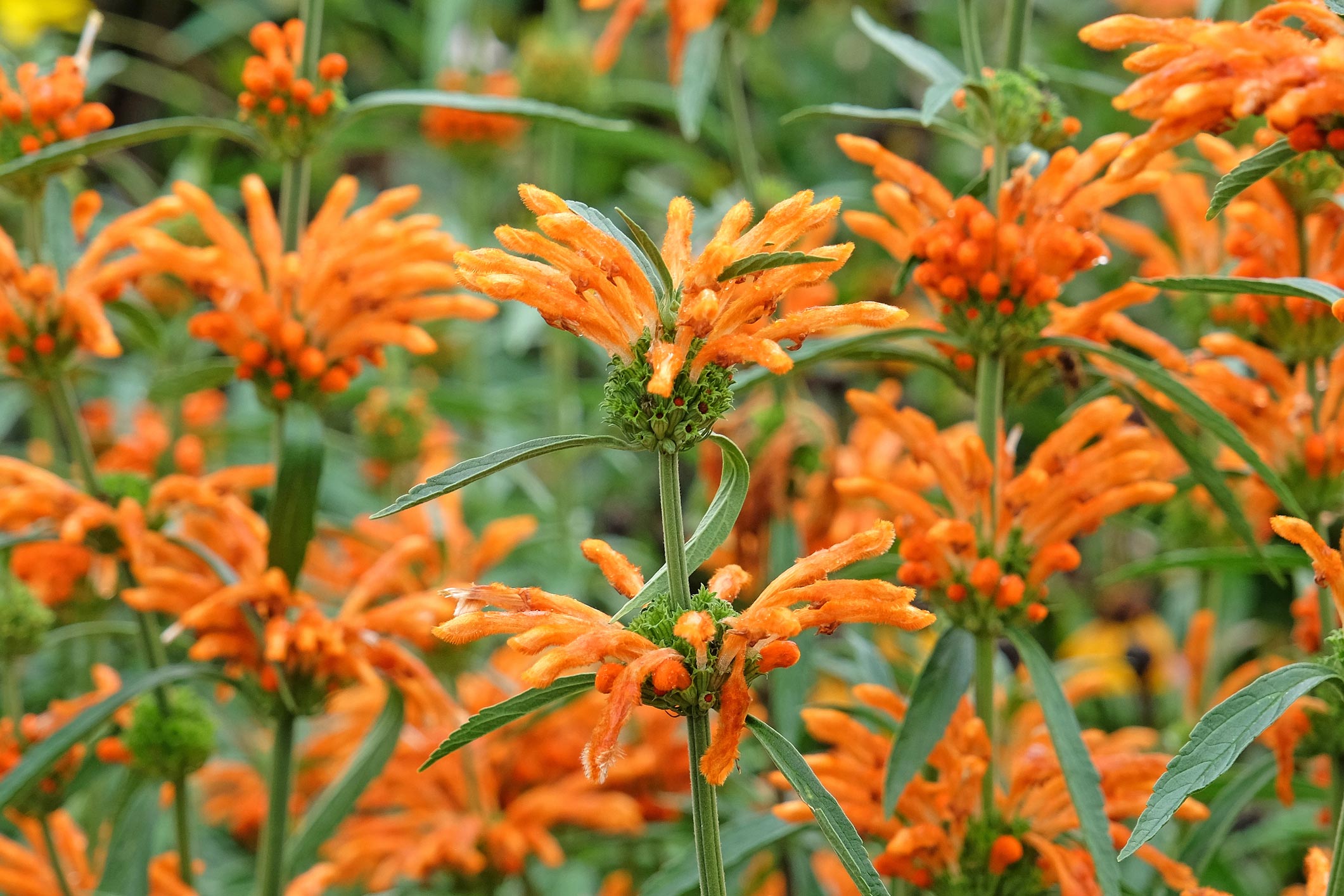
Lion's Tail
LION’S TAIL: Lion’s tail is a striking perennial shrub native to South Africa (but well adapted to central Texas). It is known for its vibrant orange, tubular flowers that grow in whorls along tall, erect stems, resembling a lion’s tail. This plant typically reaches heights of 3 to 6 feet and is drought-tolerant, making it ideal for xeriscaping and low-water gardens. Blooming from late spring to fall, Lion’s Tail attracts pollinators like bees, butterflies, and hummingbirds. It thrives in well-drained soil and full sun.
Autumn Sage
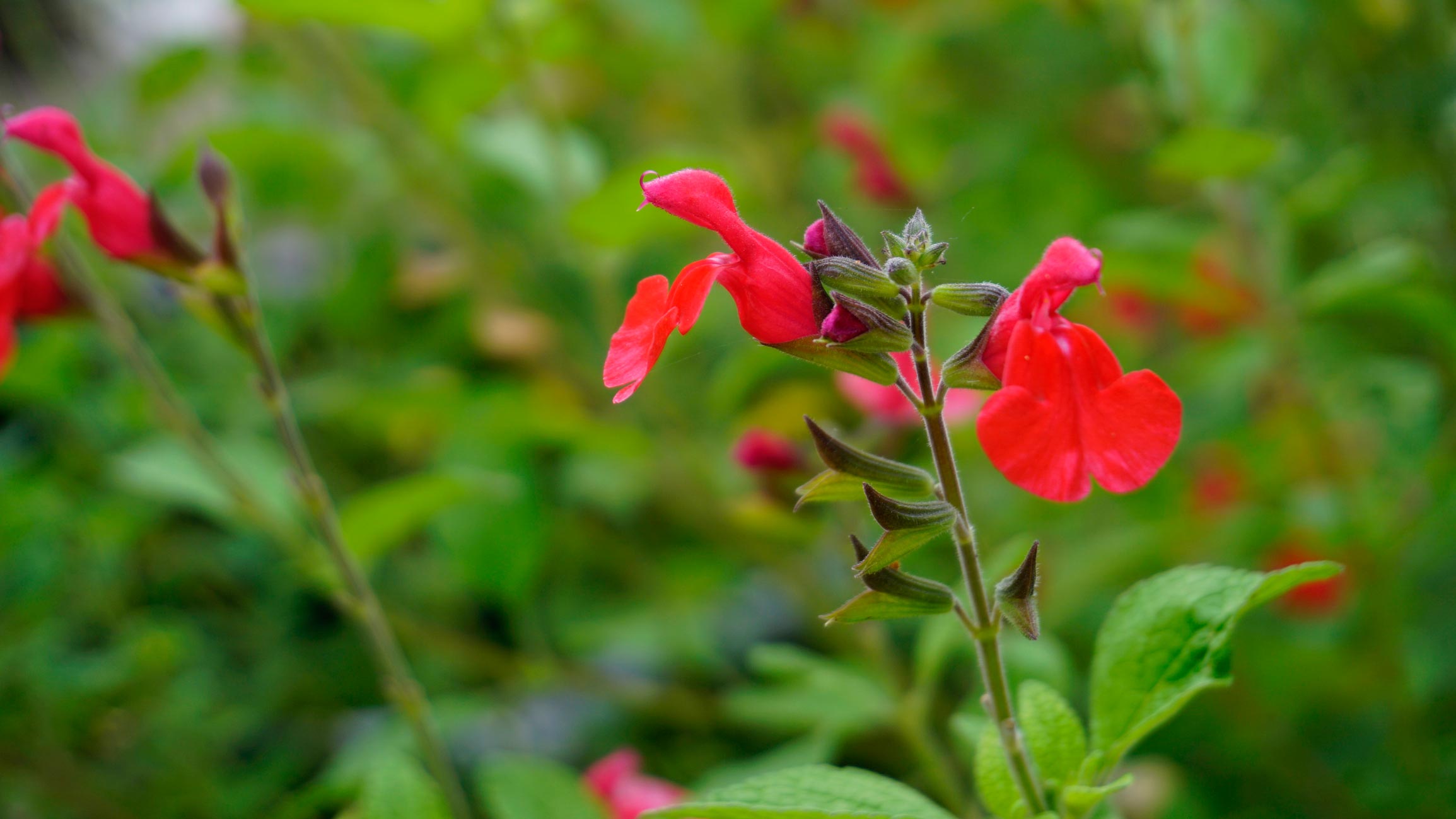
AUTUMN SAGE: Autumn sage is a hardy, evergreen perennial native to Texas and Mexico. It is prized for its tubular flowers, which bloom in shades of red, pink, purple, white, or coral from spring through fall. This drought-tolerant plant typically grows 2 to 3 feet tall and wide, making it ideal for borders, rock gardens, or wildlife gardens. Autumn Sage thrives in full sun and well-drained soil and is low-maintenance, requiring little water once established. It attracts hummingbirds (hummingbirds love the red ones), butterflies, and other pollinators, making it a popular choice for water-wise landscapes in hot, dry climates.
Autumn Sage
why these plants?
Benefits of using native and adapted plants
Planting native and adapted plants in central Texas plays a crucial role in water conservation. Choosing the right plants for your area significantly reduces the need for irrigation. These plants are well-adapted to the local climate, thriving in the heat and drought conditions (typical of this region). By choosing native flora, gardeners and landscapers create resilient ecosystems that require less maintenance and resources, ultimately conserving water and supporting local wildlife. This approach not only enhances the landscape’s beauty, but also contributes to sustainable practices that benefit the environment and the community.